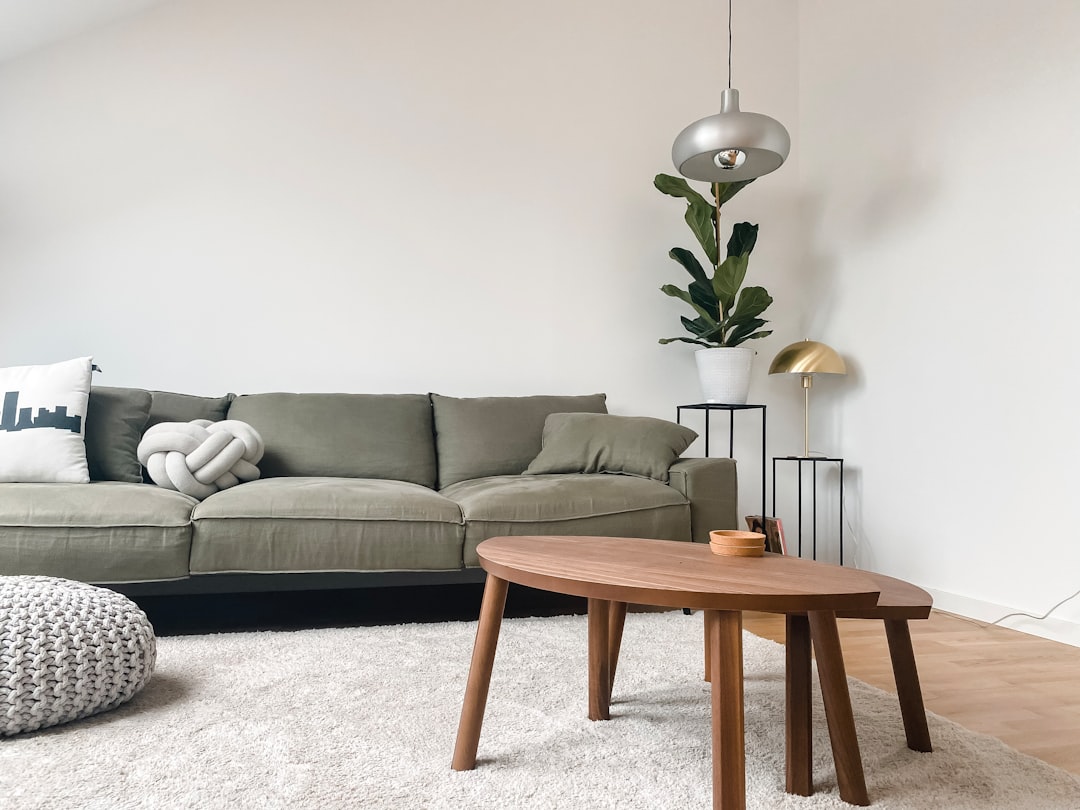
In many HDB flats, the dining area barely stretches beyond 12 sqm — a space where light wood dining tables shine. Their pale tones, often oak or ash, reflect natural light, making cramped corners feel airy and open. Paired with neutral upholstery and clean lines, these tables anchor a Scandinavian aesthetic that’s both functional and inviting.
Singapore’s humidity, hovering around 80%, demands materials that can withstand moisture without warping. Oak, a popular choice, handles this well — it’s durable, resistant to swelling, and ages gracefully. For those leaning into the hygge lifestyle, the warm grain of light wood adds a cosy touch, especially when paired with muted blues or sage greens.
Scandinavian dining tables often feature minimalist designs — think slim legs and uncluttered surfaces — which maximise visual space in compact homes. Brands like IKEA and FortyTwo offer options that balance affordability with durability, typically ranging from $1,200 to $2,400. These pieces aren’t just furniture; they’re statement items that blend practicality with understated elegance.
Maintenance is straightforward — a damp cloth for spills and occasional waxing to protect the finish. Yet, it’s worth noting that light wood can show scratches more easily than darker tones. For families with young children or pets, opting for a matte finish can help disguise minor wear over time.
A light wood dining table arrives in a Eunos BTO flat, gleaming and Instagram-ready — but within months, the finish starts warping. Humidity-resistant coatings aren’t just a nice-to-have in Singapore; they’re essential for any Scandinavian-style piece, especially in open-concept living-dining areas where aircon cycles and tropical moisture clash daily. Buyers often skip this detail, lured by cheaper options that promise the same aesthetic but fail in local conditions.
Another common misstep? Underestimating room size compatibility. A 4-seater oak table might look perfect in a showroom, but in a 12 sqm HDB dining space, it can dominate the room, leaving little legroom or flow. Measuring isn’t just about width and length; it’s about imagining how the piece will function in daily life — pulling out chairs, walking around, and even fitting in a pram or occasional extra seat.
Warranty coverage is another overlooked detail. Many warranties exclude damage from humidity or termites, which are practically a given in Singapore. It’s worth checking if the brand offers specific protection for tropical climates, or if you’ll need to invest in additional treatments yourself. Scandinavian furniture isn’t just about looks; it’s about durability, especially in a city where space is premium and replacements aren’t easy.
Finally, there’s the trap of prioritising aesthetics over practicality. A sleek ash table might match your Pinterest board, but if it doesn’t accommodate your weekly family dinners or withstand sticky toddler hands, it’s not the right fit. Functionality is at the heart of Scandinavian design — don’t let the Instagram-friendly finish distract you from that.
Oak remains the gold standard for Scandinavian dining tables in Singapore, offering durability that withstands daily kopi spills and curry stains. Its tight grain resists humidity-induced warping better than rubberwood or pine—critical for our climate. Look for tables labeled "European oak" rather than "white oak," as the former typically has fewer knots and more consistent coloring. Avoid veneered oak surfaces; they'll bubble at the edges within two years of AC-less dining rooms. Properly sealed oak develops a richer patina over time, unlike lighter woods that yellow unevenly.
Ash provides similar durability to oak but with a paler, more contemporary finish favored in Scandinavian designs. Its open grain structure makes it slightly more prone to water rings—insist on oil-based sealants rather than lacquer. Budget-conscious buyers often mistake rubberwood for ash; check for the distinctive medullary rays visible in proper ash cuts. Local workshops like Commune sometimes stock ash tabletops with powder-coated steel legs, a smart hybrid for humid flats. Unlike oak, ash won't darken over time, maintaining that airy Nordic aesthetic.
Mortise-and-tenon joints outlast screws or dowels in our humidity, though most mass-market retailers skip this labor-intensive technique. Run your hand underneath the table—any protruding hardware or uneven seams signal future wobbles. FortyTwo's bolt-on leg systems work surprisingly well for modular setups, provided you retighten them biannually. Avoid tables where the apron (the supporting frame) attaches solely with corner brackets; these fail first under heavy claypot dishes. Proper joinery should feel seamless, with no visible gaps even after seasonal wood expansion.
Water-based polyurethane yellows less than oil-based variants but requires reapplication every 18 months in our climate. Matte finishes hide scratches better than glossy ones, crucial for households with metal cutlery or kids' craft projects. Some newer ceramic-infused coatings claim heat resistance up to 120°C—handy for direct laksa pot placement. Steer clear of wax-only finishes; they're high-maintenance and stain instantly under chili oil. For authenticity, look for "soap finish" treatments that leave wood slightly porous while maintaining its natural texture.
A proper 1.8m oak table should weigh at least 45kg—anything lighter likely uses hollow-core construction or undersized timber. Lift one corner; substantial heft indicates dense wood rather than engineered fillers. Thin tabletops (under 30mm) warp faster in our humidity, especially near windows or balcony doors. Castlery's newer sintered stone-topped models solve this but lack the warm acoustics of wood during family meals. Heavier tables also dampen vibrations from MRT lines—a real perk for ground-floor units near Eunos or Aljunied stations.
Wipe your light wood dining table regularly with a soft, slightly damp cloth to remove dust and spills. Avoid harsh chemicals—opt for a mild soap solution if needed. Always dry the surface immediately to prevent watermarks or warping.
Position your table away from direct sunlight to prevent fading or discoloration over time. Use sheer curtains or UV-filtering window films to diffuse harsh rays. Rotate centerpieces occasionally to ensure even exposure.
Apply a thin layer of beeswax or natural oil polish every few months to nourish the wood. Check for scratches or dents seasonally and address them with light sanding and touch-up products. Keep humidity levels stable to avoid cracking or expansion.
The Joo Seng showroom’s lighting mimics Singapore’s harsh afternoon glare—ideal for spotting uneven varnish on oak dining tables. Tampines’ setup has softer, residential-style bulbs that reveal how light wood tones shift under evening LED strips. Test table stability by pressing down on corners; cheaper veneers wobble under pressure, while solid beech stays firm even when kids climb on it during CNY visits. Grain patterns matter more than you’d think—wide, flowing streaks suit open-concept BTO flats, but tight knots can make compact spaces feel cluttered. Megafurniture’s staff won’t hover, but they’ll demonstrate drawer glides if you ask. Watch for ones that slide silently versus ones that judder after six months of daily use. Their
leans toward matte finishes, which hide water rings better than glossy surfaces in humidity. Bring fabric swatches from your existing curtains or sofa—their neutral upholstery looks different under showroom spotlights versus HDB corridor lighting. Shoppers often forget to check underside construction. Flip a display model’s chair: dowel joints collect moisture in our climate, while mortise-and-tenon lasts longer. The Tampines branch keeps sample stain pens near the checkout—dab one on inconspicuous spots to see how oak yellows over time. No need to rush; their sales team knows you’ll compare prices at IKEA Alexandra first. Weekday mornings are best for testing squeaks. By weekends, fifty people have already sat on that demo bench, loosening its bolts. If a salesperson mentions the Somnuz® mattress line, nod politely—it’s their KPIs talking, not your dining table needs.
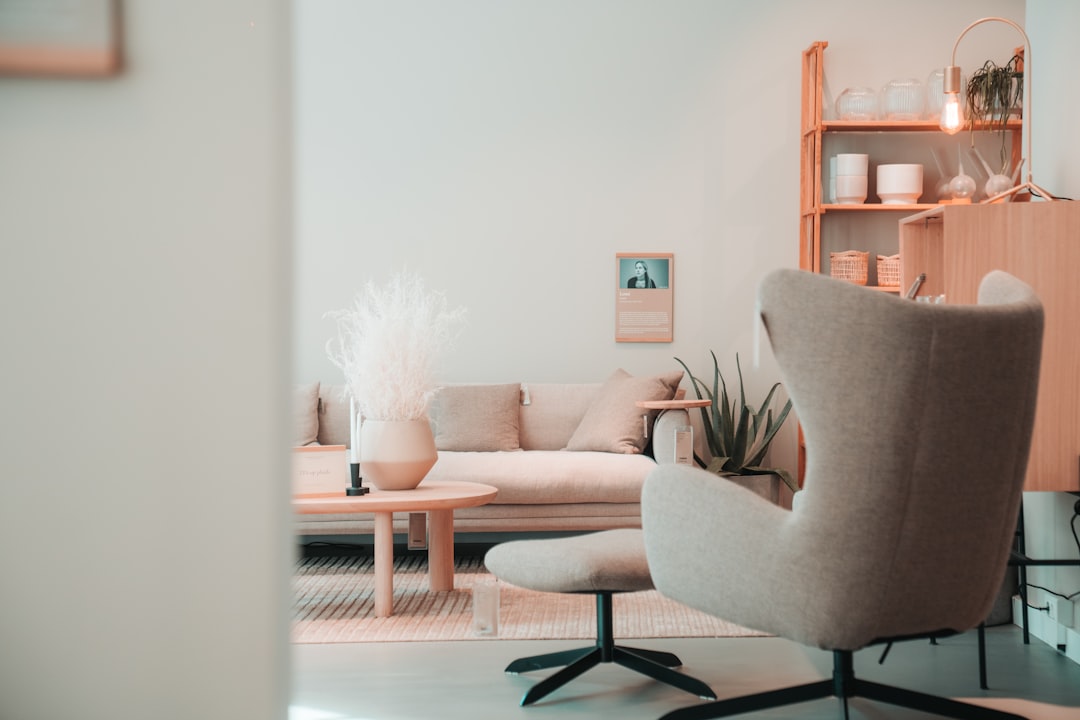
Delivery timelines for Scandinavian dining tables in Singapore typically range from two to six weeks, depending on stock availability and whether the piece is imported or locally assembled. Imported items, especially those custom-made from Nordic suppliers, often face delays due to shipping routes and customs clearance — expect closer to the six-week mark. Locally stocked pieces from stores like Castlery or FortyTwo usually arrive within two to three weeks, though peak seasons like Chinese New Year or year-end sales can stretch this.
Professional assembly is strongly recommended, particularly for buyers in HDB flats. Compact staircases and tight lift lobbies make DIY setups a logistical headache; one wrong move can scratch walls or damage the furniture. Assembly services from retailers like IKEA or Commune typically cost $50 to $150, depending on complexity — a small price to avoid the frustration of misaligned joints or unstable legs. Plus, many providers won’t honour warranties if the piece is self-assembled and later develops issues.
Warranties for Scandinavian dining tables often cover humidity damage and craftsmanship flaws, which is crucial in Singapore’s tropical climate. Look for terms that specify protection against warping, cracking, or discolouration caused by moisture — common issues with light wood finishes like oak or beech. Craftsmanship warranties, usually spanning one to five years, should address loose joints, uneven surfaces, or faulty finishes. Some retailers, like HipVan, even offer extended warranties for an additional fee, though these rarely justify the cost unless you’re particularly accident-prone.
How to clean light wood with SG’s humidity? Start with a dry microfiber cloth to wipe away dust — dampness attracts mould in our tropical climate. Avoid harsh chemicals; instead, use a mild soap solution diluted with water, and dry immediately with a clean cloth. Once a month, apply a light coat of beeswax polish to protect the wood without leaving a greasy residue.
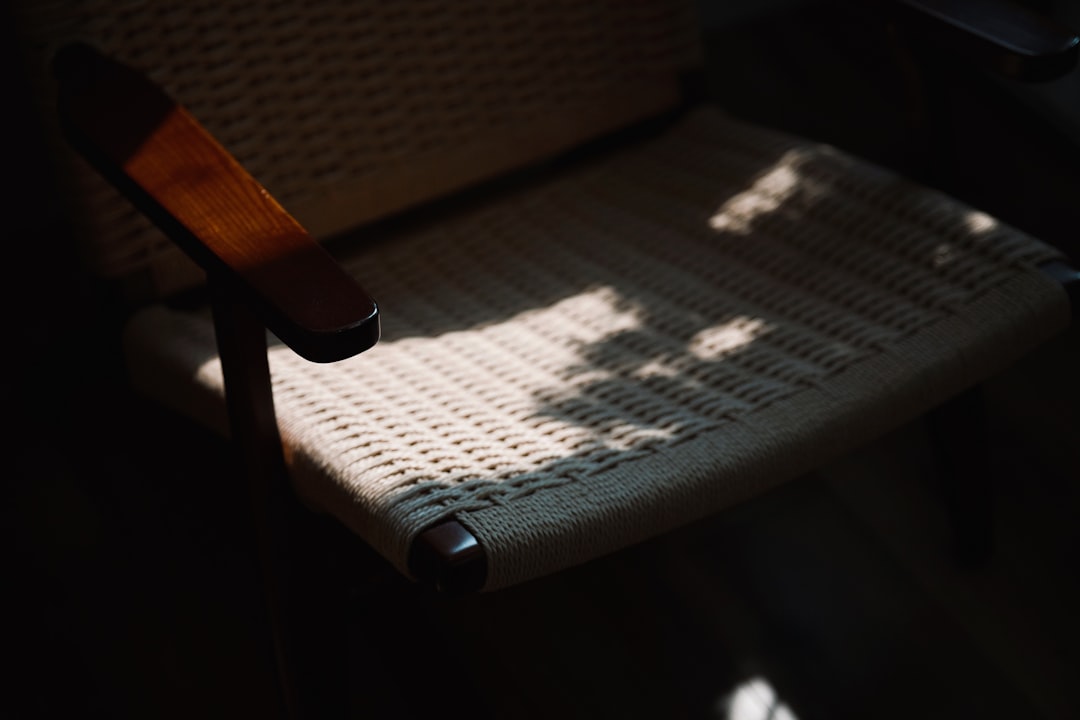
Can dining chairs mismatch? Yes, mismatched chairs can add character to a Scandinavian dining setup — just stick to a cohesive palette of light wood tones or neutral upholstery. Pairing two different chair designs, like a wishbone chair with a simple wooden seat, often works well in compact HDB flats. Keep the table as the focal point to unify the look.
Best table size for 4-room flats? A table around 140–160cm long and 80cm wide comfortably seats four without overwhelming the space. For flexibility, consider extendable models that tuck neatly against the wall when not in use. Round tables with a diameter of 90–100cm are another smart choice, as they maximise floor space and feel less intrusive in smaller dining areas.
In Singapore’s humid climate, a dining table’s material choice often determines its lifespan — even in air-conditioned spaces. For a 12 sqm dining area, dimensions around 150cm x 90cm work best, leaving enough room for chairs and movement without overcrowding. Light wood tones like oak or ash are popular for their Scandinavian aesthetic, but buyers should check for moisture-resistant finishes; untreated wood can warp within months.
Humidity damage isn’t always covered under warranty, so it’s worth scrutinising the fine print. Brands like Castlery and IKEA typically offer one to three years of coverage, but humidity-related issues are often excluded unless explicitly stated. For peace of mind, look for tables treated with water-resistant coatings or those made from engineered wood, which handles moisture better than solid wood.
Harmony with Scandinavian design isn’t just about colour — it’s about proportion and simplicity. A table that’s too bulky can overwhelm a small dining area, while one that’s too narrow might feel impractical for daily use. Neutral upholstery on chairs, paired with muted blues or sage greens, can soften the look without straying from the Nordic palette.
One common oversight? Forgetting to measure the space with chairs pulled out. In many HDB flats, clearance between the table and walls can be tight, especially in older estates like Bedok or Tampines. A table that fits perfectly when pushed in might leave diners squeezing past chairs during meals.